6 hr
Tandem Skydive Over Great Ocean Road from Torquay
- Expert local guide
- Small group
- Skip-the-line access
- Free cancellation
Sky Diving in Melbourne St Kilda — Tandem Jumps & Indoor Flights
Freefall over Port Phillip Bay, or master the wind tunnel first
Compare fares, pick the fit — all bookings are mobile-voucher and eligible for free cancellation where shown.
6 hr
6 hr
1 hr 30 min
Selecting the right altitude for sky diving in melbourne st kilda allows you to tailor your jump intensity and coastal sight-seeing experience. These sky diving in melbourne st kilda tours provide standardized safety briefings and gear for a tandem leap over Port Phillip Bay.
| Mid-Level Jump 8,000ft Altitude |
Top pick Summit-Level Jump 15,000ft Altitude |
|
|---|---|---|
| Freefall Duration | Up to 20 seconds | Up to 60 seconds |
| Canopy Glide Time | 5–7 minutes | 5–7 minutes |
| Views | Coastal and city | 360-degree coast and city |
| Safety Inclusions | APF membership and insurance | APF membership and insurance |
| Best for | Budget-conscious first-timers | Maximum thrill seekers |
| See tickets & prices |
Verdict: For the most comprehensive perspective during your sky diving in melbourne st kilda tickets experience, the 15,000ft summit jump is recommended for the longest freefall time.
Worth it for the coastal views premium
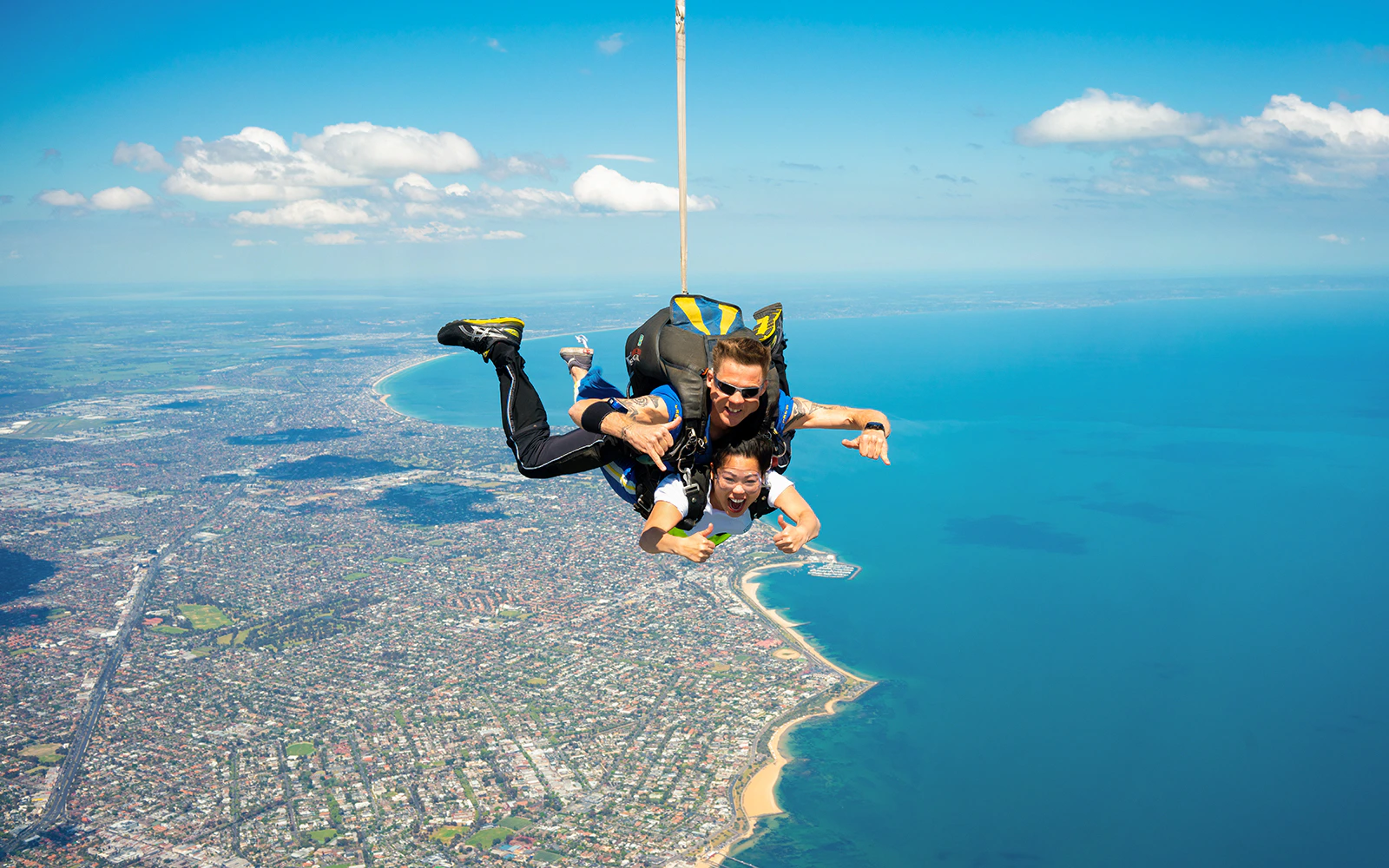
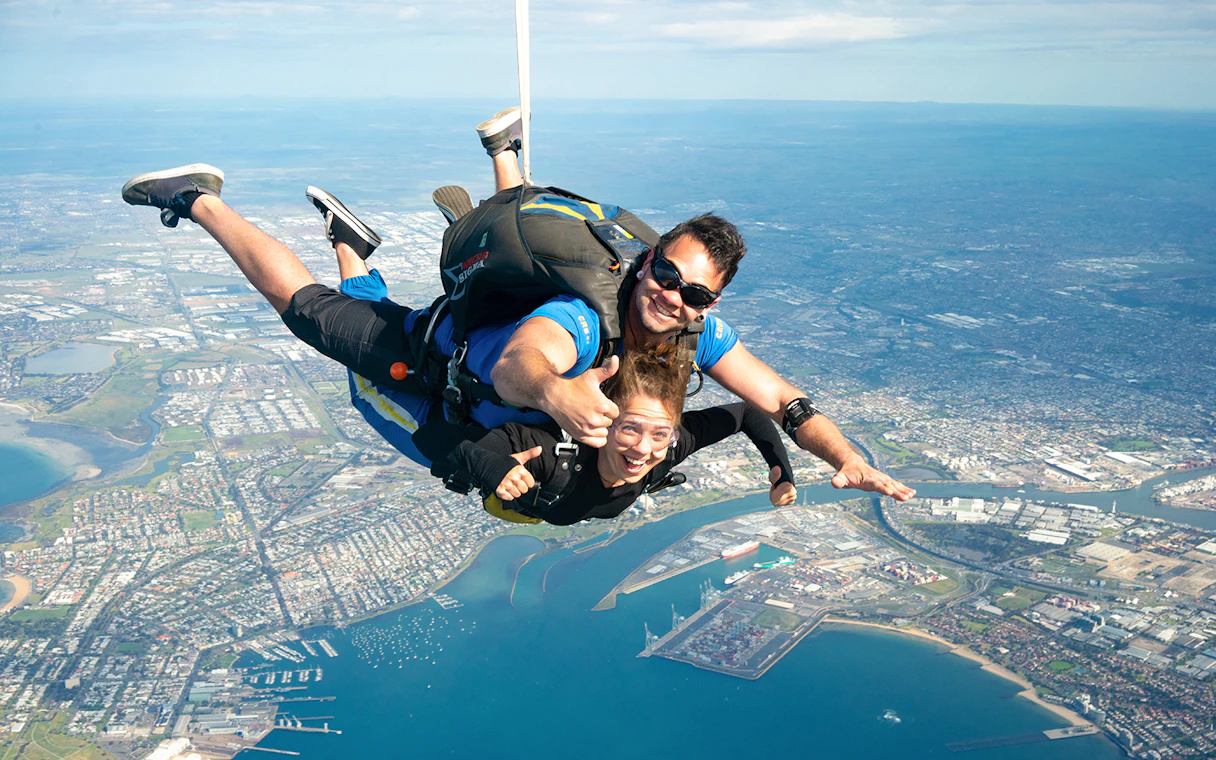
Sky diving in melbourne st kilda delivers a premium jump experience over Port Phillip Bay and the Melbourne skyline, distinguishing itself from standard inland drops. Free entry to the Marine Parade booking office means you pay only for the tandem jump package itself—typically positioning above basic regional options but below helicopter-access coastal jumps. The scenic payload justifies the price: you freefall over St Kilda Beach, trace the bay's curve from Williamstown to the Mornington Peninsula, and spot the CBD towers during canopy descent. Morning jumps (08:00–12:00 window) offer clearer bay views and calmer winds. The experience suits first-timers seeking more than farmland views and repeat jumpers comparing Victoria's coastal drop zones. Weather-dependent scheduling requires flexibility—coastal wind patterns can postpone jumps more frequently than inland sites. The tandem format handles all technical work, letting you focus on the panorama. For travelers weighing skydiving tours against other Melbourne activities, the St Kilda jump trades convenience (indoor skydiving) for authenticity and trades distance (Great Ocean Road jumps) for accessibility.
Bottom line: The St Kilda coastal panorama justifies the premium if bay and skyline views matter more to you than simple altitude thrills.
They offer distinct perspectives of the coastline; most visitors who seek high-intensity adrenaline choose sky diving in melbourne st kilda tours, while those preferring passive sightseeing choose scenic flights. This comparison of sky diving in melbourne st kilda tickets and aerial coastal viewing helps you decide.
|
Top pick St Kilda Skydiving |
Great Ocean Road Scenic Flight | |
|---|---|---|
| Experience Type | Tandem freefall | Guided aerial sightseeing |
| Primary Intensity | Extreme | Low |
| Altitude | Up to 15,000 ft | 1,000–5,000 ft |
| Core Activity | Vertical descent | Horizontal cruising |
| Observation Method | Direct visual connection | Aircraft window view |
| Weather Sensitivity | High wind/rain restrictions | Low cloud/visibility restrictions |
| Logistics | 42A Marine Parade | Essendon or Avalon Airport |
| See tickets & prices |
Verdict: Choose the sky diving in melbourne st kilda tour for a personal encounter with gravity, or opt for a scenic flight if you want to photograph the Twelve Apostles in comfort.
Hand-picked experiences loved by thousands of travelers
3 hours
Free Cancellation
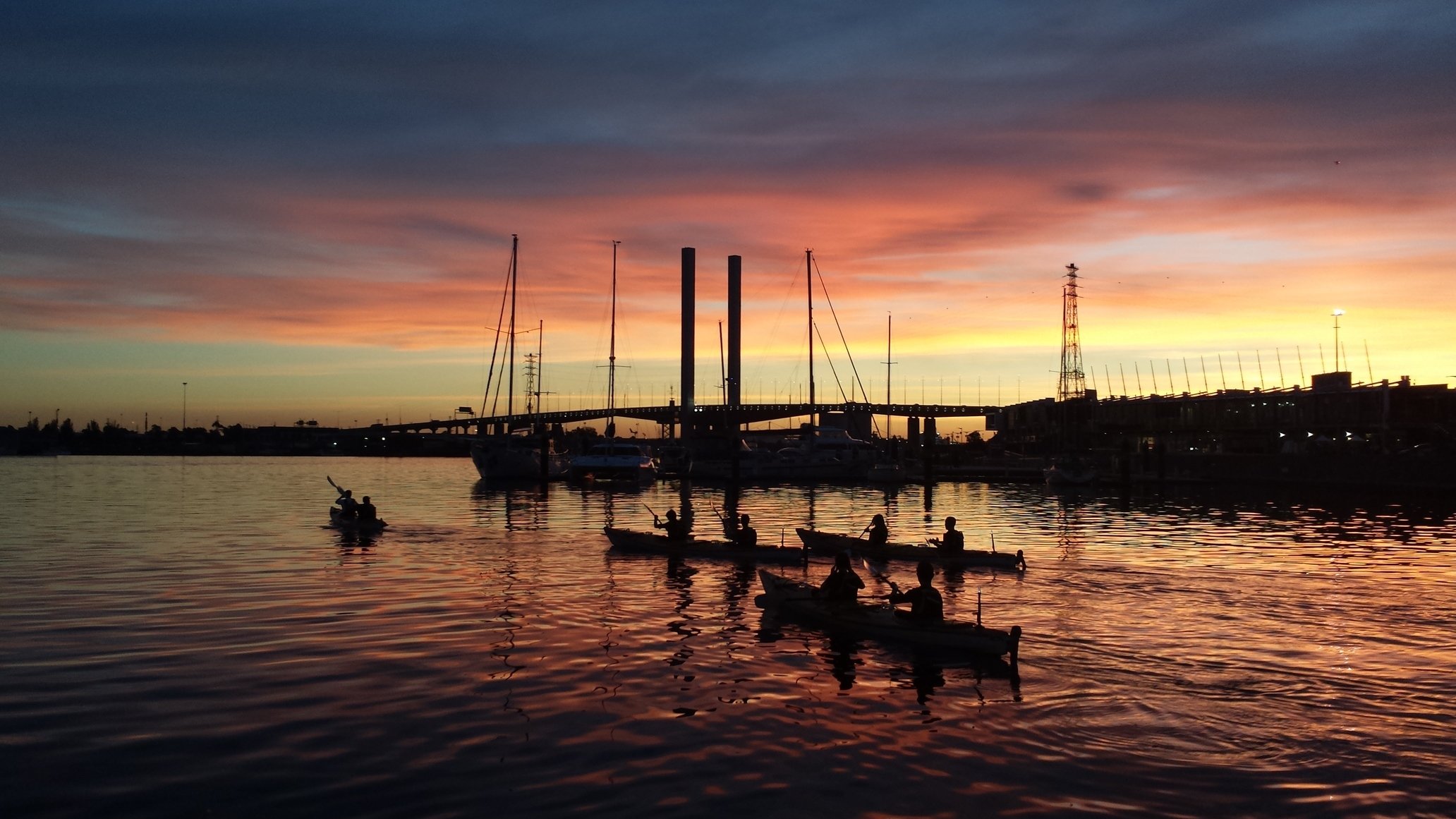
Paddle the Yarra River at dusk, dine on fish and chips from your kayak, and glide past iconic landmarks.
8 hours
Free Cancellation
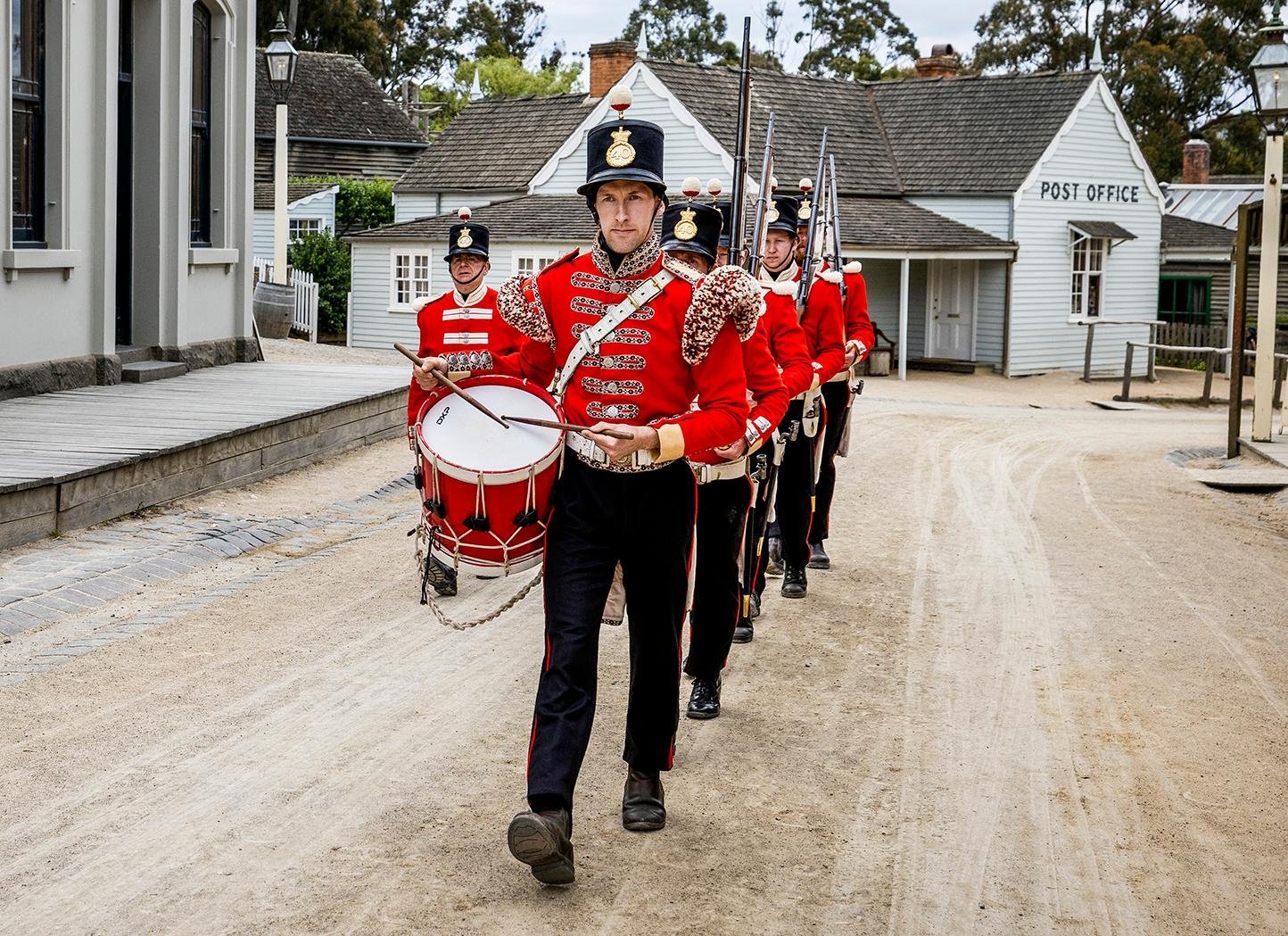
Journey back to 1850s Ballarat and discover Victoria's gold mining heritage at this living history museum
2 hours
Free Cancellation
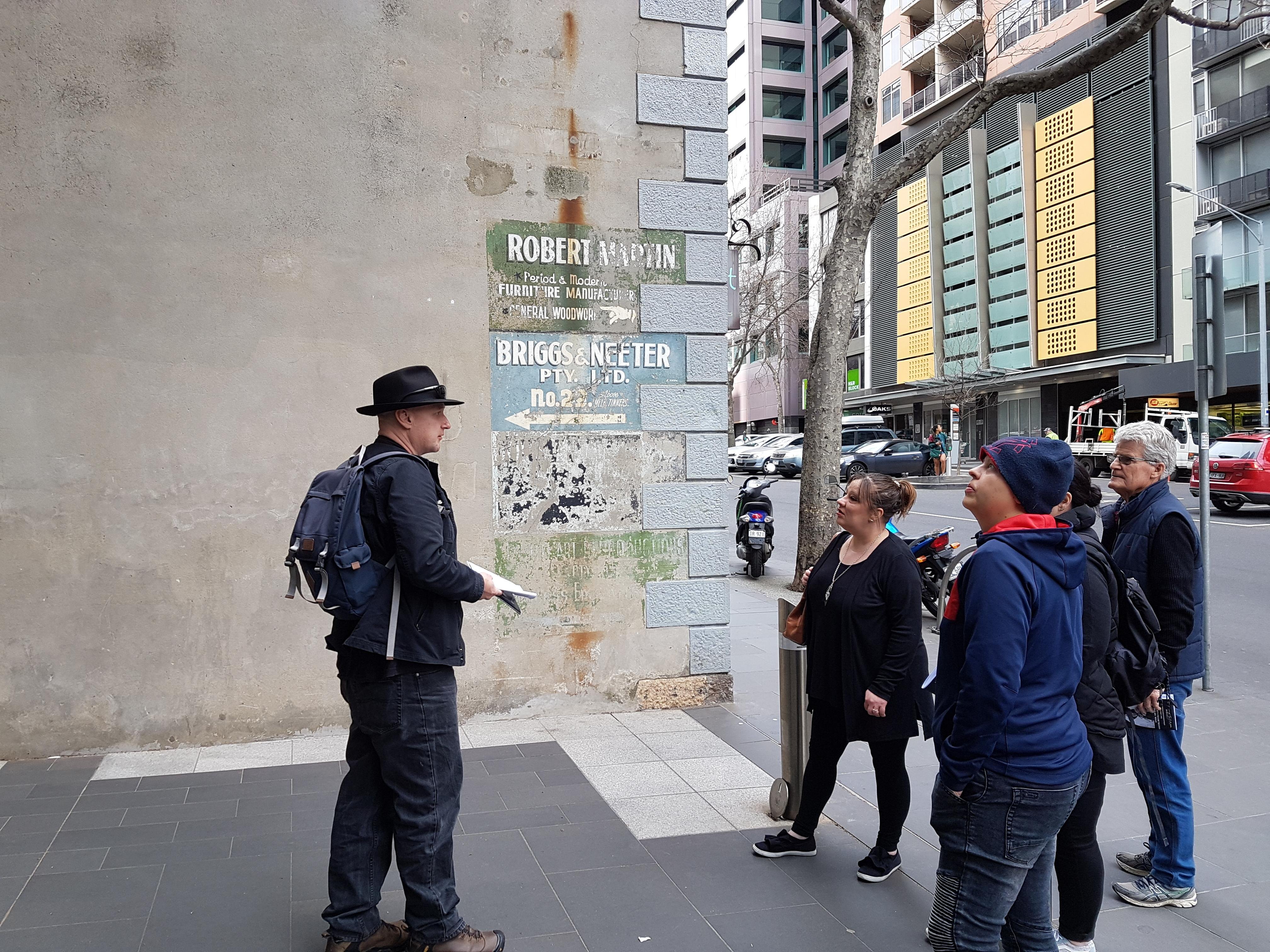
Uncover the scandalous history of Little Lon, where madams ruled and gangsters roamed the streets.
1 hour 30 minutes
Free Cancellation
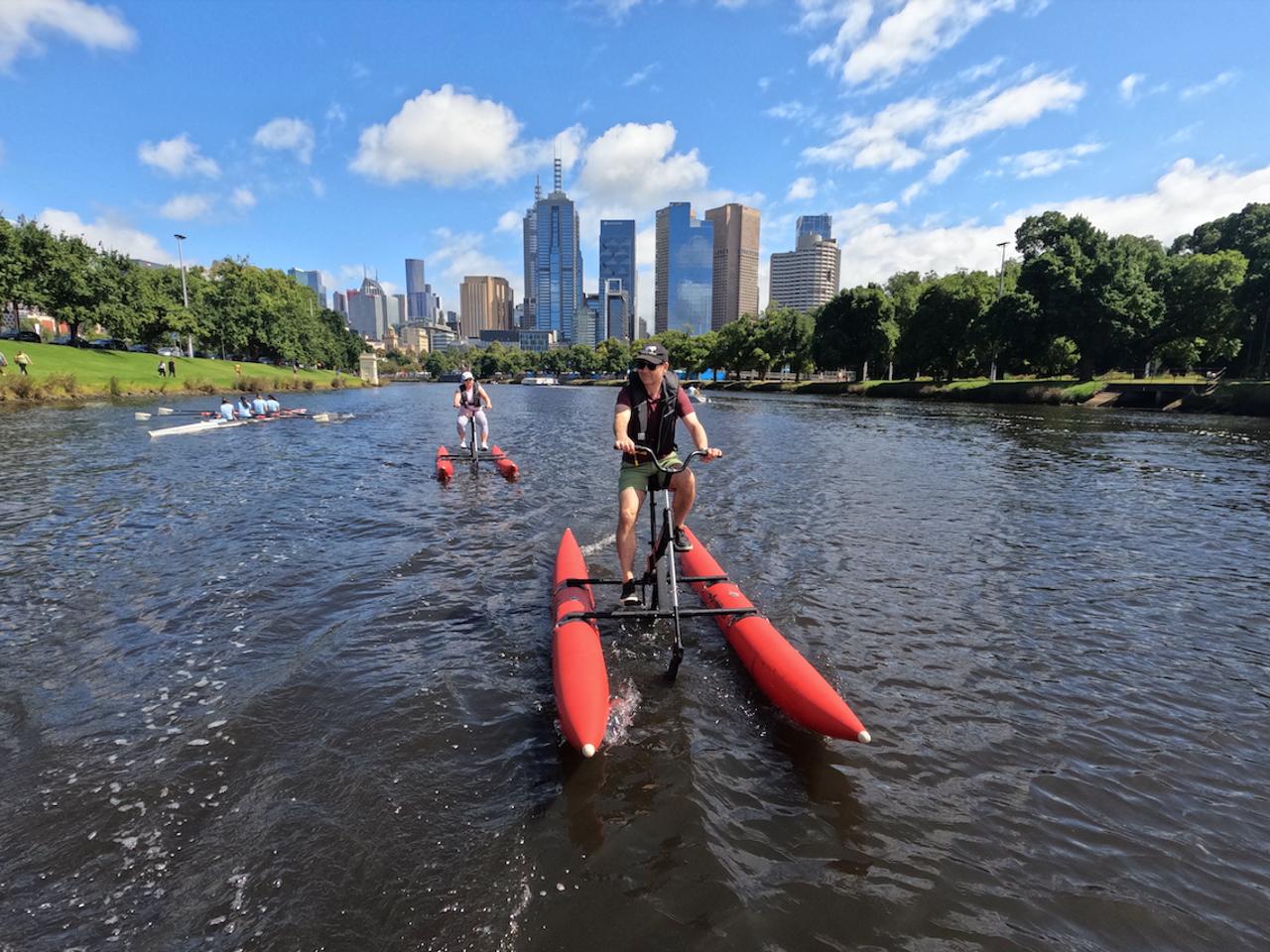
Pedal along Melbourne's iconic waterway on a unique waterbike, passing landmarks from the MCG to Southbank
1-2 hours (flexible)
Free Cancellation
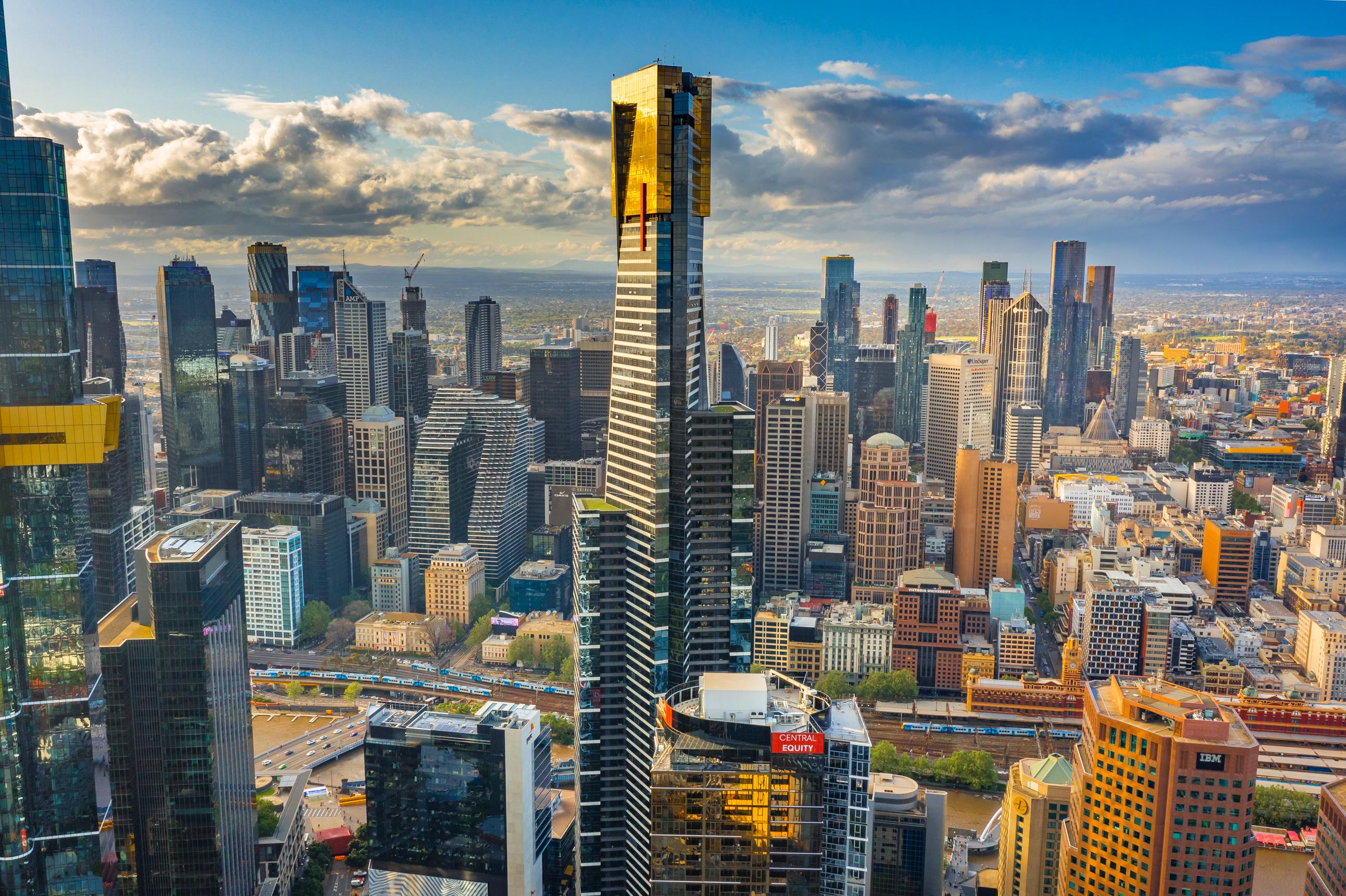
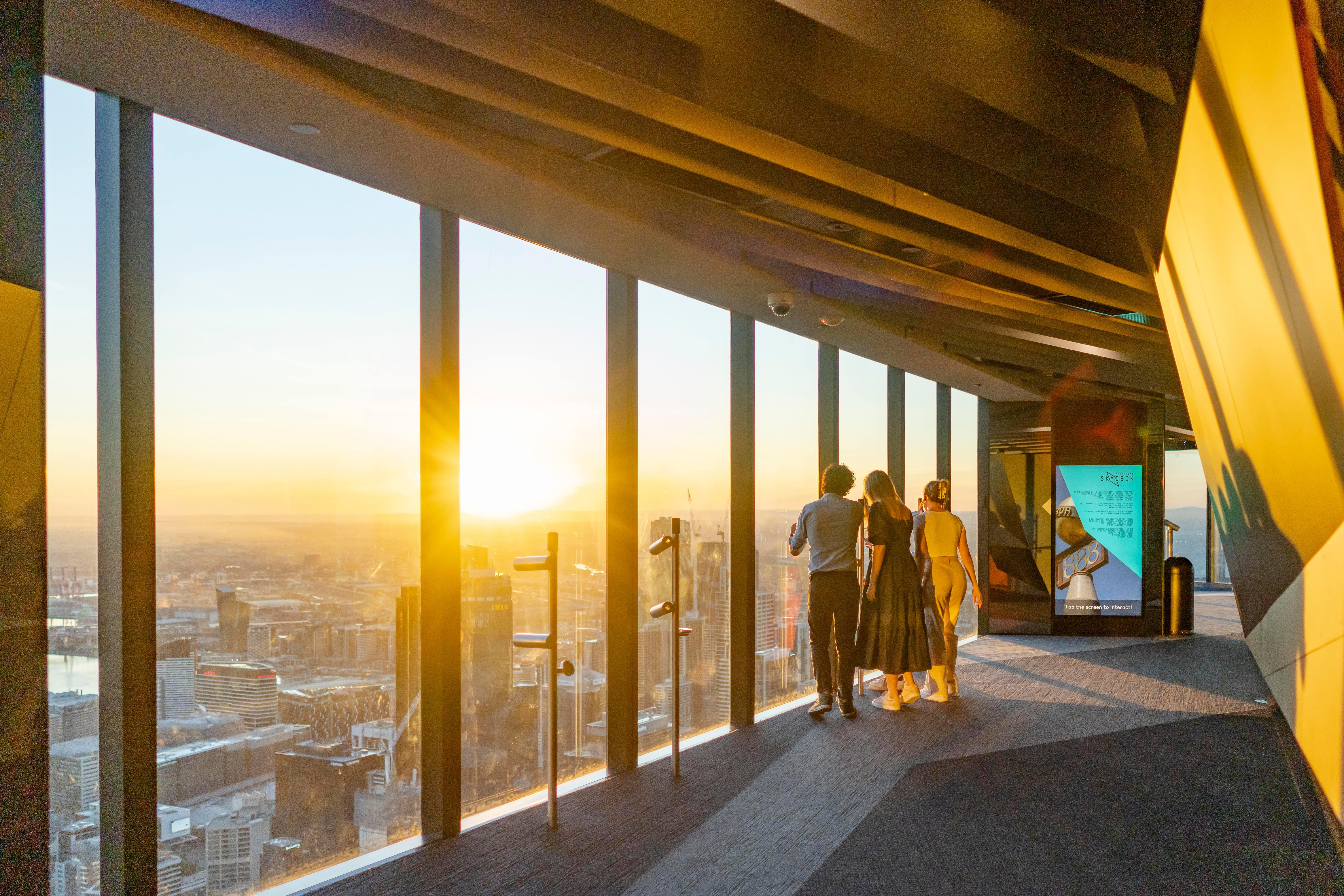
Ascend to the Southern Hemisphere's highest observation deck for sweeping city views from 300 meters up
1.5–2 hours
Free Cancellation
Ascend 88 floors for panoramic city views, step into a glass cube suspended over the streets, and journey through Victoria in immersive virtual reality
4 hours
Free Cancellation
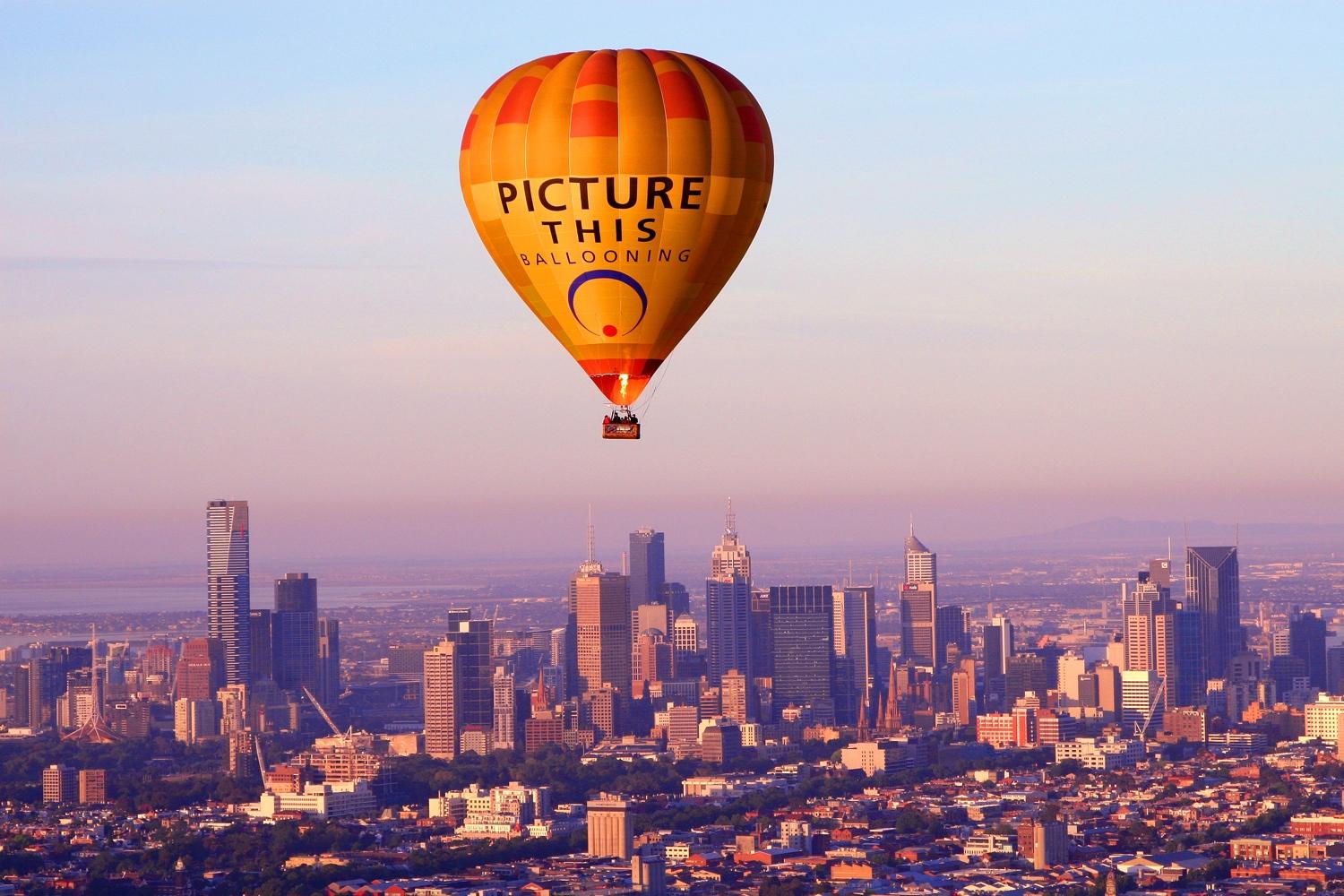
Drift over Melbourne's CBD at dawn and witness the city's landmarks from an unforgettable perspective
75 minutes
Free Cancellation
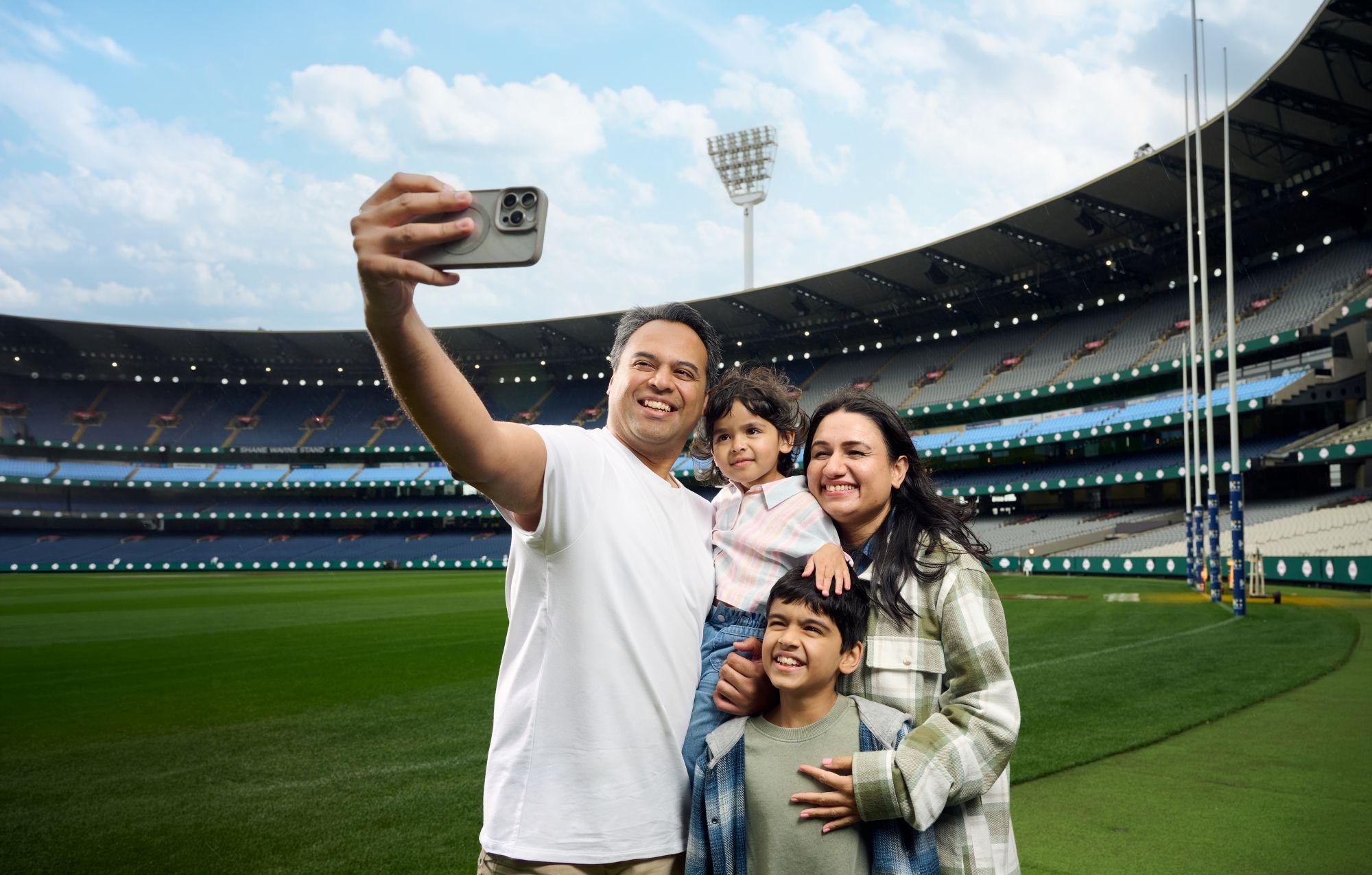
Go behind the scenes at Australia's most iconic stadium with exclusive access to members-only areas
Register and confirm paperwork for sky diving in melbourne st kilda
Safety briefing and harness fitting
Scenic plane ride to altitude
Freefall followed by parachute descent
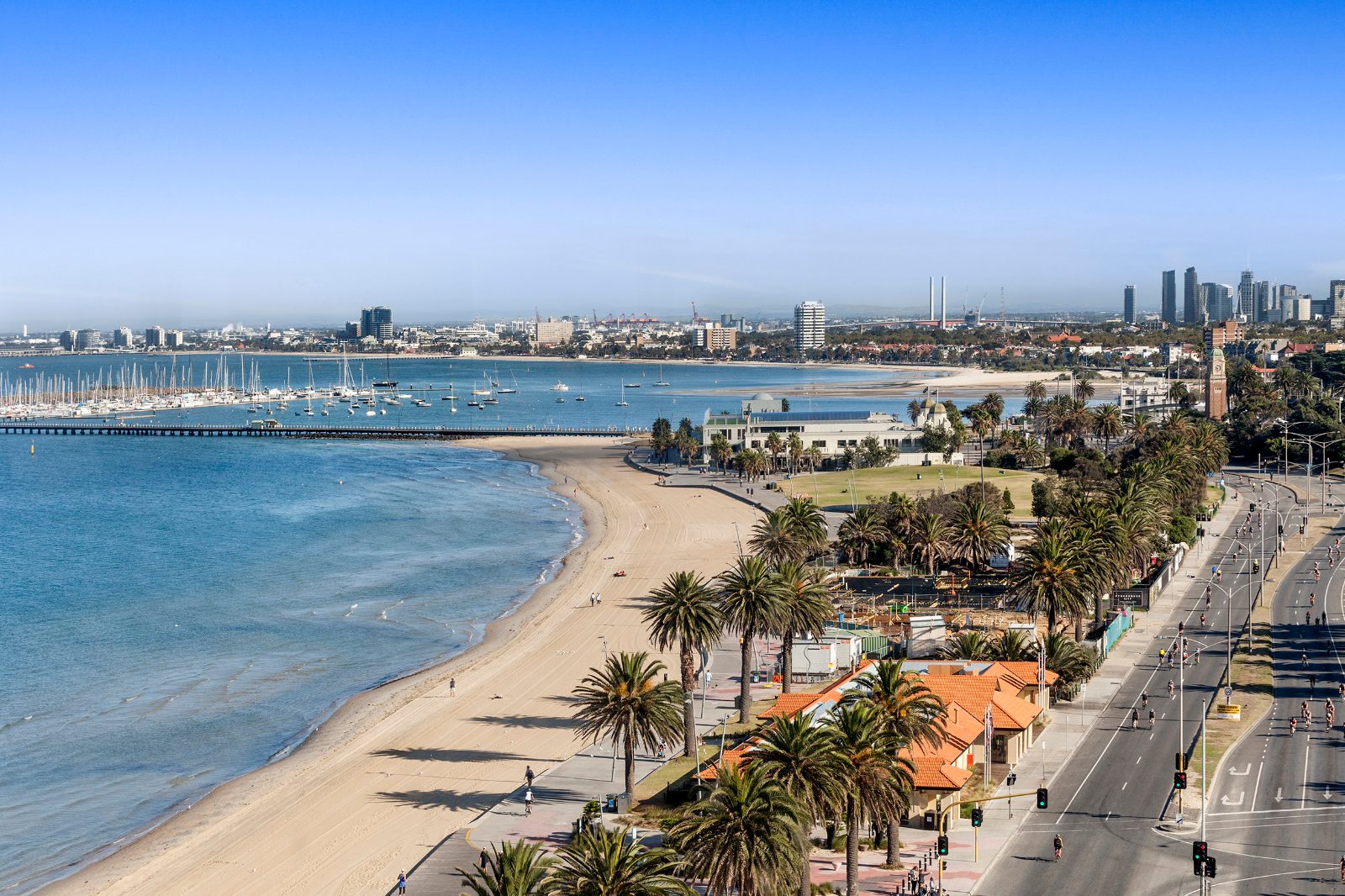
Landing on the white sands of this iconic beach offers a unique perspective of the Melbourne coastline. Thousands of jumpers have descended here since the location opened.
The hangar serves as the primary hub for all training and gear preparation. It handles operations seven days a week from 08:00.
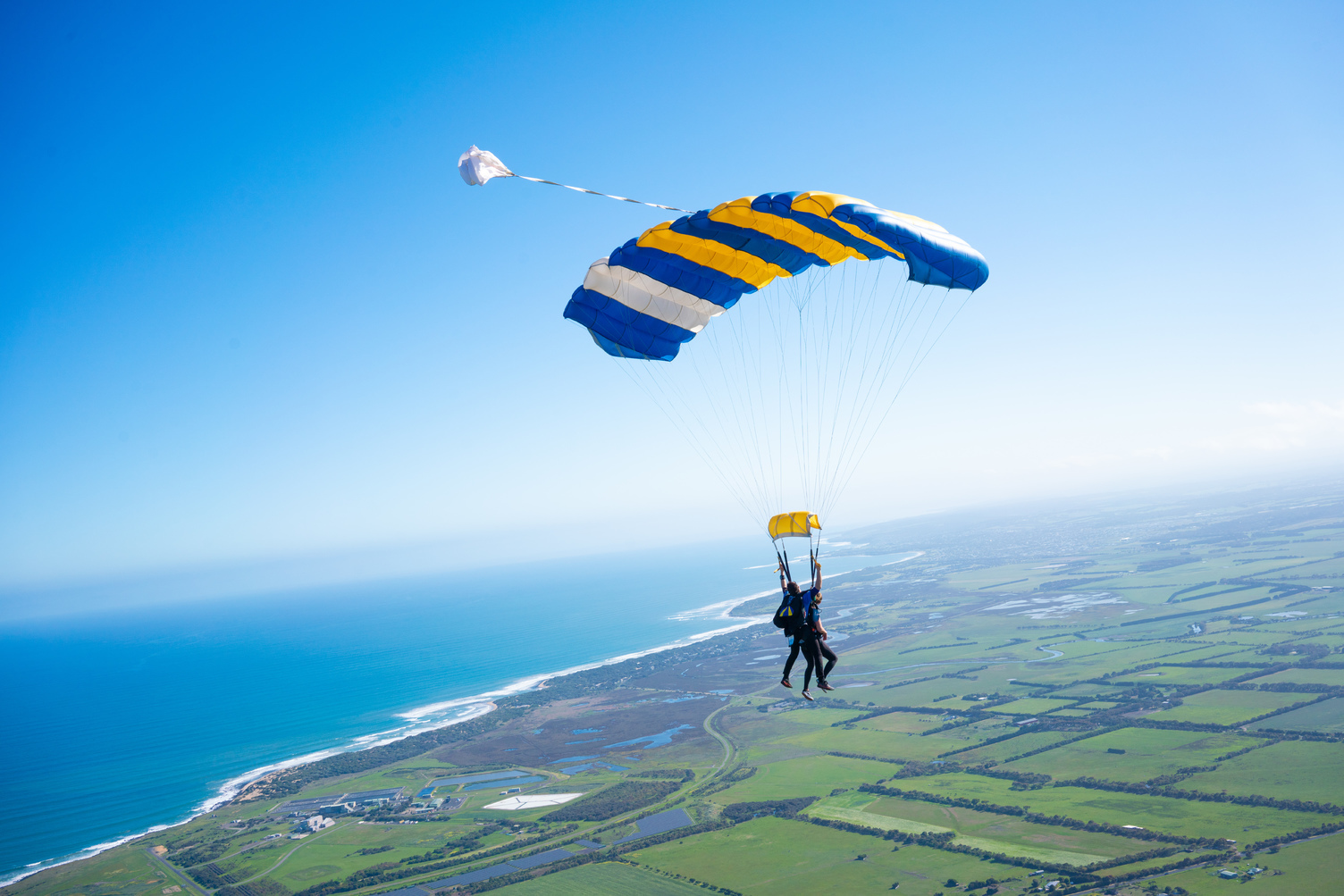
The jump provides a vantage point over Port Phillip Bay that is unmatched. You can often spot local wildlife from the air.
The approach to the landing zone offers sights of the vibrant local streetscape. The area is known for its historic architecture and culinary scene.
High-altitude jumps provide a clear view of the Melbourne central business district and landmark towers. The contrast between the city and sea is a highlight.
You arrive at the Marine Parade briefing centre thirty minutes before your scheduled slot, signing the federation waiver and watching the twelve-minute safety video that demonstrates exit position and emergency procedures.
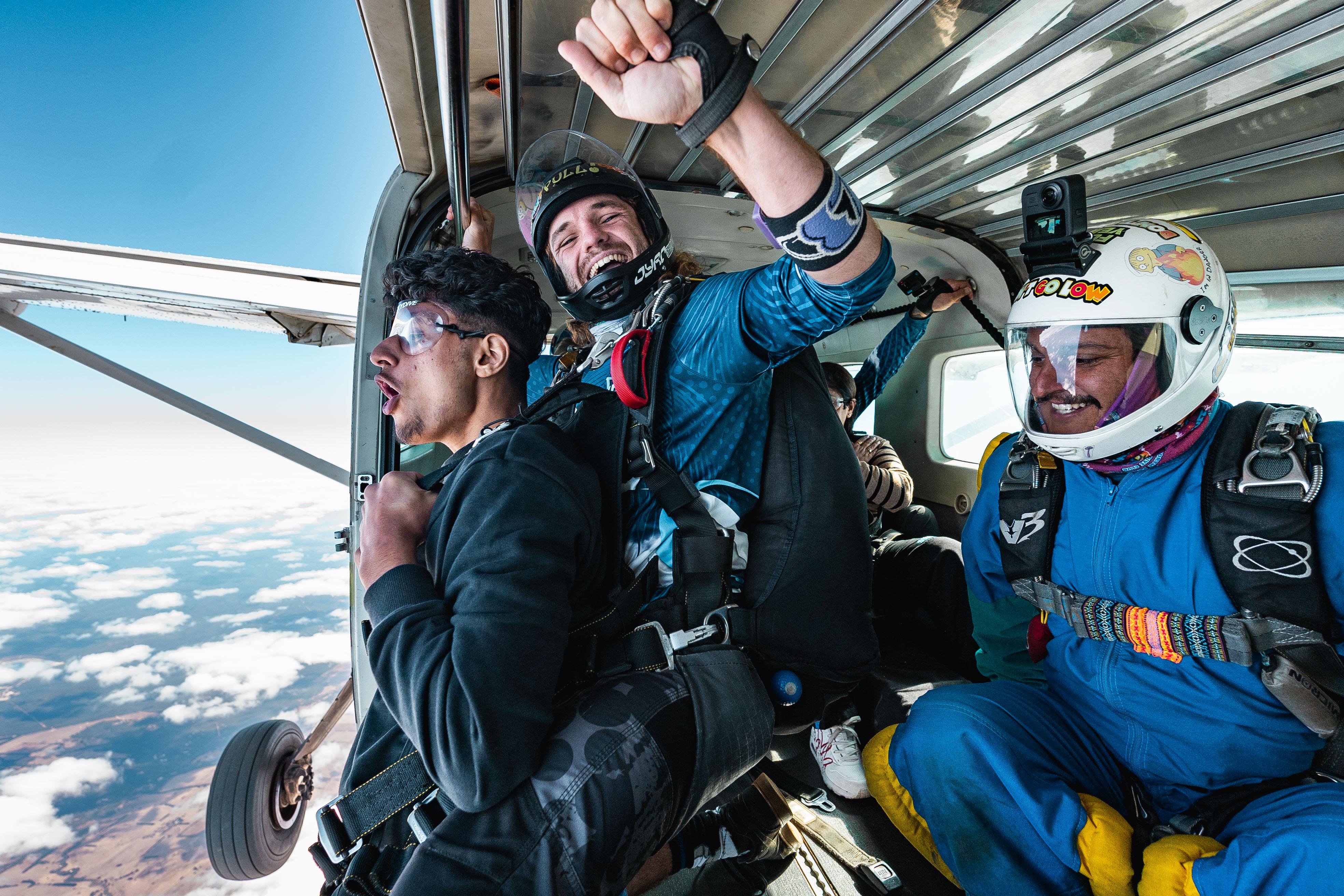
Your instructor fits the harness, cinching leg straps and chest clips, then walks you through the three-point check sequence you will repeat at the aircraft door. The twin-engine Cessna climbs in a wide spiral over Port Phillip Bay, reaching 4,200 metres in fourteen minutes while you sit cross-legged on the cabin floor, harness clips secured to the instructor's front-mounted rig.
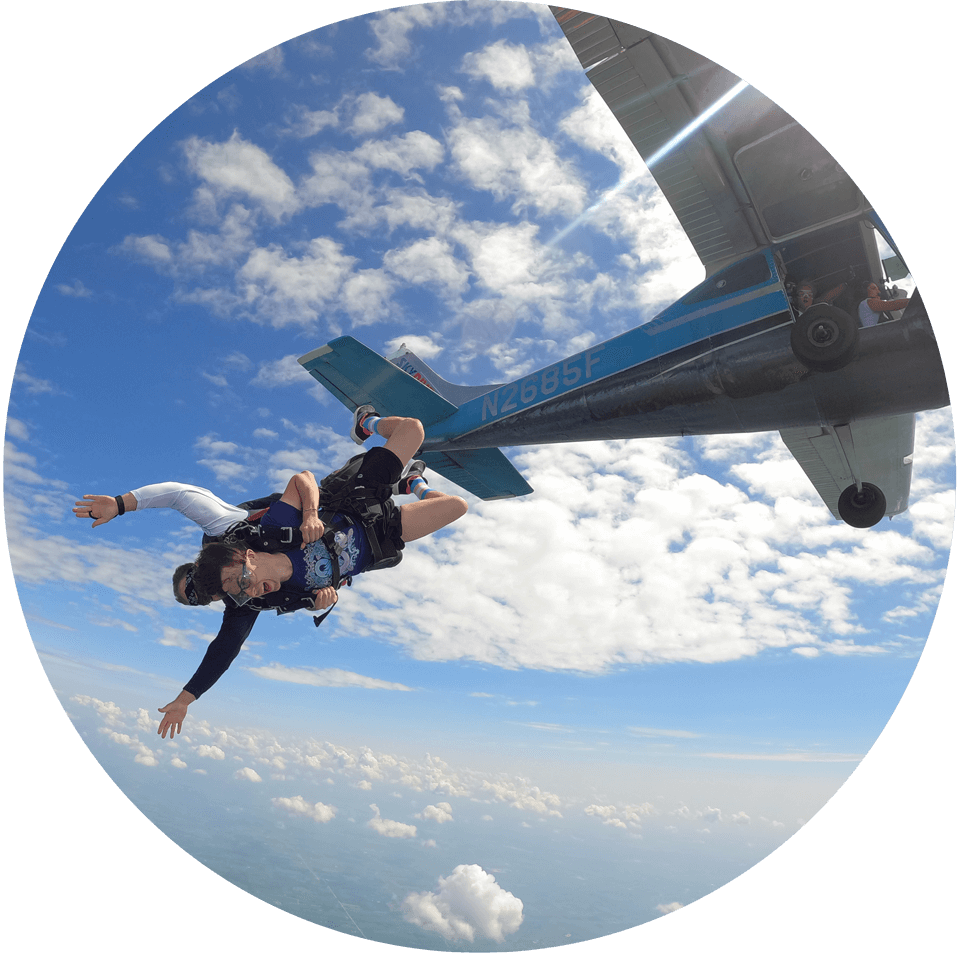
At altitude the door slides open. You shuffle forward on your knees, legs dangling over the sill, then arch back into the instructor's chest as he tips you both into the slipstream. Forty-five seconds of freefall pass in a wind-roar blur, your cheeks rippling at 200 kilometres per hour, before the drogue chute deploys and the main canopy snaps open at 1,500 metres. The descent slows to a glide. Your instructor hands you the steering toggles for thirty seconds, letting you bank left over the St Kilda Pier, then takes control for the final approach, flaring the canopy two metres above the sand for a soft stand-up landing on the beach. The entire sequence—door exit to touchdown—lasts seven minutes.
All the details about your upcoming adventure in one place
The St Kilda drop zone operates from 42A Marine Parade, a two-storey briefing facility sixty metres from the sand where Port Phillip Bay meets the Esplanade.
Established in 1991, the site became Melbourne's longest-running coastal tandem skydiving hub, its proximity to the city—seven kilometres south of the CBD—making it accessible by tram 96 or the number 16 route that terminates at Fitzroy Street. Morning departures are scheduled between 08:00 and 12:00, when southeasterly winds typically hold below twelve knots and cloud ceilings remain above the minimum 3,000-metre deployment altitude mandated by the Australian Parachute Federation.
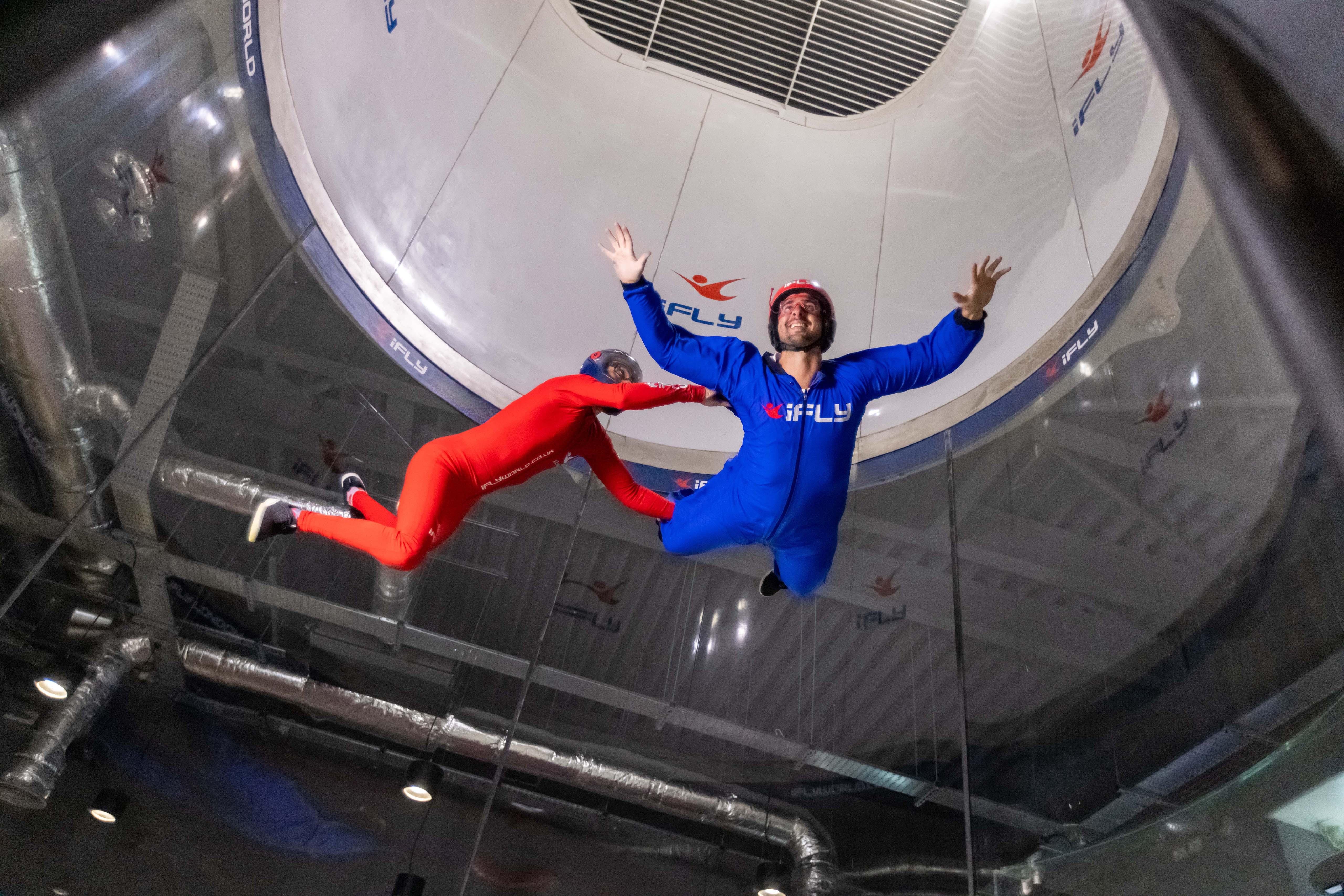
Sky diving in Melbourne St Kilda connects to two offshore jump zones: the twelve-minute flight to altitude over Port Phillip Bay itself, or transfers to Torquay for exits above the Great Ocean Road coastline, where tandem pairs freefall for forty-five seconds at terminal velocity before five-minute canopy descents along the Surf Coast cliffs. Indoor skydiving at iFLY Downunder in Pentridge, twenty-three kilometres northwest, replicates the body-flight phase in a recirculating wind tunnel generating 270-kilometre-per-hour vertical airflow, allowing first-timers to practise arch position and turns without altitude exposure. Both coastal and indoor options serve as entry points into the sport, with logbook progression tracked through the federation's A-licence syllabus.
The St Kilda facility houses dual briefing rooms, harness fitting stations, and a gear loft stocking reserve parachutes inspected on the federation's 120-day repack cycle. Instructors hold tandem ratings requiring 500 solo jumps and annual recurrency training, their rigs fitted with automatic activation devices that deploy reserves at 750 metres if manual pull is delayed. Pre-jump ground school covers exit procedure, in-air hand signals, and landing flare technique, though passengers remain harnessed to the instructor throughout. Weather delays are common—coastal thermals and sea-breeze convergence can scrub afternoon slots—but the extended daily window from 08:00 to 20:00 allows rescheduling within the same visit window for most domestic travelers.
The location's appeal lies in its dual function: beachside operations for experienced jumpers maintaining currency, and tandem introductions for first-timers seeking a single jump without committing to a full training course. St Kilda skydiving tours bundle Melbourne hotel transfers with Torquay jumps, turning the experience into a full-day Great Ocean Road excursion that combines the forty-five-second freefall with coastal sightseeing at Bells Beach and the Twelve Apostles. The indoor wind tunnel option strips out weather dependency entirely, offering year-round access to body-flight simulation in two-minute increments that approximate fifteen seconds of true freefall per session.
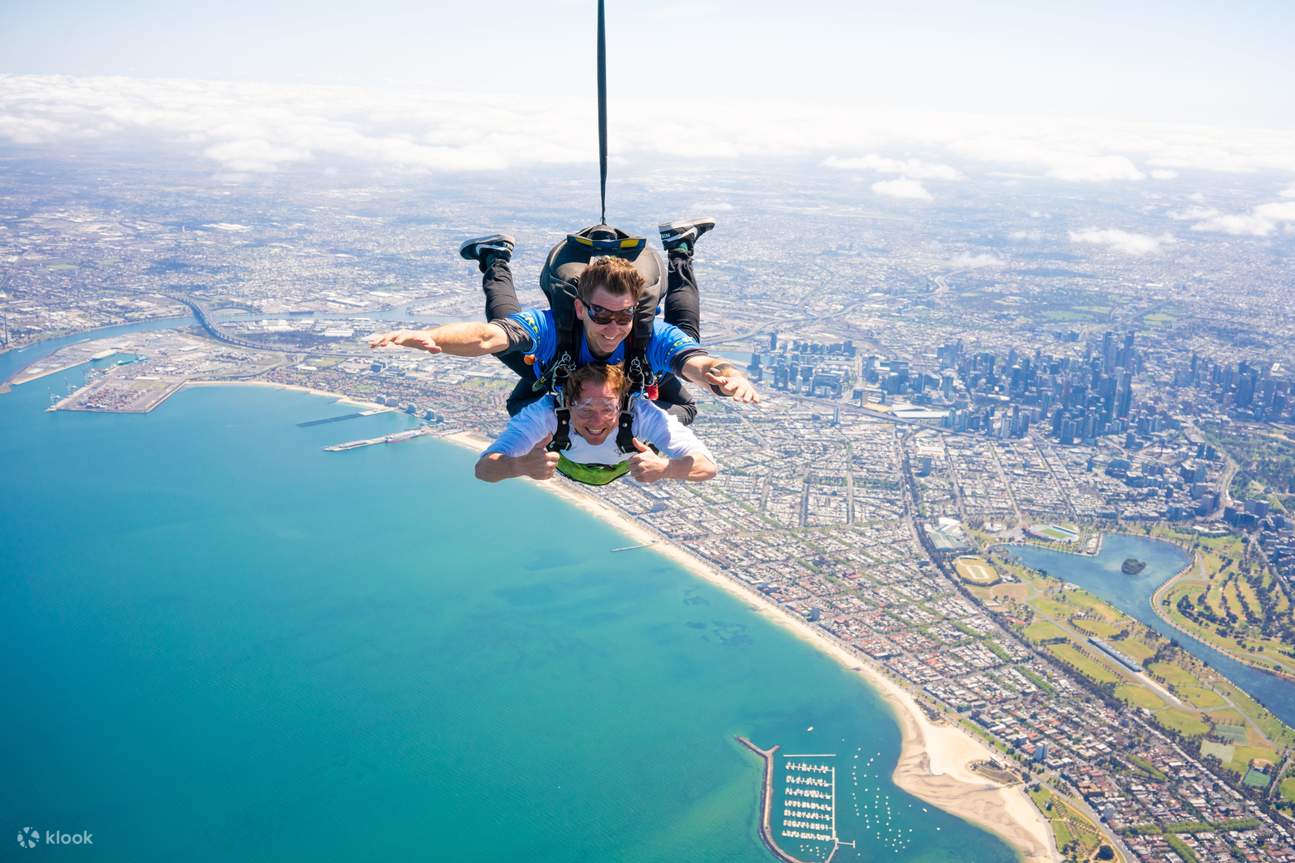
Morning departures between 08:00 and 12:00 capture the coastal window when southeasterly winds hold below twelve knots.
Wear comfortable, athletic clothing suitable for the weather conditions on the day of your jump. Enclosed footwear such as sneakers is mandatory for safety reasons.
Personal belongings can be stored in provided lockers while you are in the air. Security screening may be in effect at the facility.
Personal cameras are not permitted during the jump for safety reasons. Professional video and photo packages can be purchased to capture your sky diving in melbourne st kilda experience.
Spectators are welcome to watch jumpers land at the beach facility. Children must be supervised by an adult at all times while at the site.
The drop zone is accessible, but tandem skydiving requires a certain level of physical mobility. Please discuss specific medical requirements with the operator before booking.
Outside food and drinks are allowed in designated waiting areas. No alcohol is permitted prior to your jump.
Opening Hours
08:00–20:00
Address
42A Marine Parade, St Kilda, VIC 3182, Australia
Accessibility
Ground level facilities available
Best arrival window
08:00–12:00
Baggage
Storage lockers available on-site
Location
St Kilda Beach area
Public transport · 30 min · 4 AUD
Tram route 96 travels from the city to St Kilda. Alight at the stop near Acland Street and walk to the beach.
Car · 20 min · Variable
Follow Marine Parade to reach the location. Public parking is available along the beachfront.
Full refunds are provided for cancellations made at least 48 hours before the scheduled jump. Changes to your booking may be subject to availability and terms.
Recommended time
3-4 hours
Planning your sky diving in melbourne st kilda requires allowing sufficient time for check-in, equipment fitting, and thorough safety briefings before your tandem skydive. While the actual descent lasts only a few minutes, weather fluctuations can impact jump schedules, making early attendance advisable when considering sky diving in melbourne st kilda tours. Booking sky diving in melbourne st kilda tickets in advance helps streamline the process, though you should remain flexible for potential aviation-related delays. Opting for a morning slot for your sky diving in melbourne st kilda tour often provides the most stable atmospheric conditions for a successful landing.
Crowd levels through the day
Weather · crowds · average price — dots go green to amber to red as each metric rises.
September to November offers milder temperatures and occasional clear skies for sky diving in melbourne st kilda. This season is often less crowded than the peak summer months.
December to February provides warm weather and long days. This is the busiest time for booking your sky diving in melbourne st kilda tour.
March to May experiences cooler air and lower wind speeds. Conditions are often stable for morning jumps.
June to August features colder temperatures and higher chance of rain. Jumps are more weather-dependent during this period.
Reserve your sky diving in melbourne st kilda tickets well in advance during summer months. Popular time slots fill up quickly.
Call the operator on the morning of your jump to confirm conditions. High winds can delay or reschedule operations.
Aim for the 08:00 window to ensure the clearest visibility. Lighter winds typically occur in the morning for optimal jump conditions.
Have a light meal before arriving at the drop zone. Do not arrive on an empty stomach or after a heavy feast.
Skydiving arrived in Melbourne during the 1960s when recreational parachuting clubs formed at inland airfields, but the coastal jump over St Kilda Beach began as a niche offering in the early 1990s. Commercial operators recognized the marketing power of a beach landing with Melbourne's skyline framed against Port Phillip Bay, positioning St Kilda as a premium alternative to rural drop zones. The Marine Parade site opened in 1997, placing a booking office within walking distance of Luna Park and the St Kilda Pier, transforming what had been a seaside amusement district into Victoria's most photographed tandem jump location. The first decade saw regulatory tightening. Following a 2001 incident involving a parachute malfunction over Albert Park Lake, the Civil Aviation Safety Authority mandated stricter altitude protocols and reserve-chute inspections, delaying jumps during marginal weather windows. By 2008, operators standardized 15,000-foot exits to allow longer freefall over the bay, a shift that required twin-engine aircraft capable of rapid climbs. The St Kilda operation absorbed these costs by bundling photo packages, a model that spread across Australian sky diving in melbourne st kilda tours and became the revenue backbone for coastal operators. The 2010s brought technological transformation. Video editing replaced film cartridges, enabling same-day delivery of jump footage. GPS tracking allowed precise exit points, reducing drift toward suburban rooftops. In 2019, Skydive Australia consolidated multiple Victorian franchises under a single brand, standardizing safety protocols and centralizing tandem bookings through a unified online portal. The St Kilda jump retained its brand identity but lost operational independence. Throughout the 2020s, the Marine Parade office maintained daily departures despite pandemic closures inland, anchoring its reputation as Melbourne's most consistent bay-view drop zone.
Recreational parachuting clubs establish inland operations near Melbourne, using military-surplus equipment and grass airstrips.
Marine Parade booking office opens in St Kilda, marking the first permanent coastal jump facility in Victoria.
CASA enforces stricter altitude and equipment checks following a reserve-chute deployment over Albert Park Lake.
Operators adopt 15,000-foot exits with twin-engine aircraft, extending freefall time over Port Phillip Bay.
Skydive Australia consolidates Victorian franchises, centralizing bookings and standardizing training protocols across all drop zones.
Position yourself along the walkway to capture jumpers descending against the coastline with the city skyline in the distance. This spot offers a clear view of the landing area without needing sky diving in melbourne st kilda tickets.
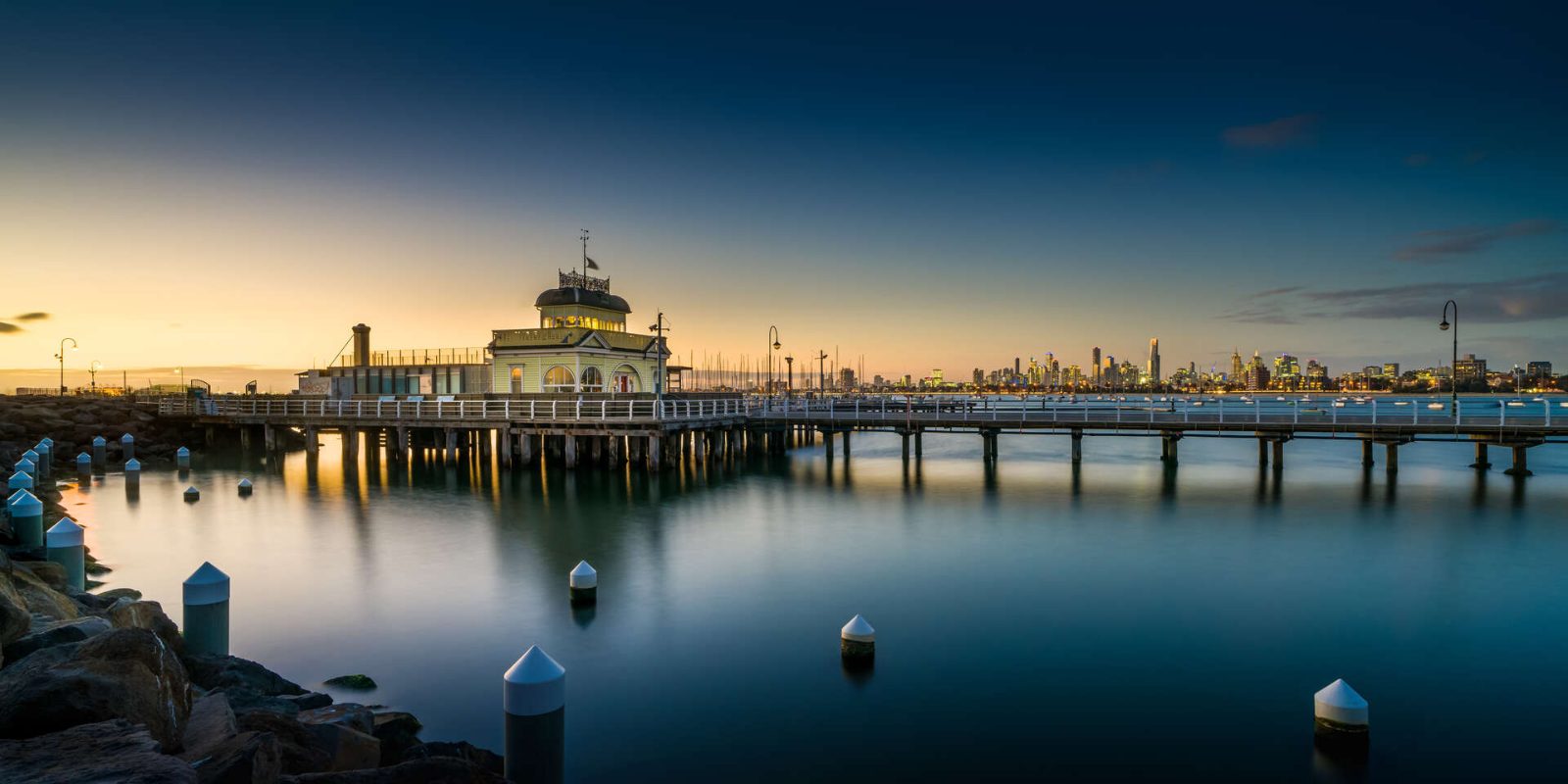
Walk toward the end of the pier for a panoramic composition of the bay and the horizon where sky diving in melbourne st kilda tour participants often drift down. The wooden structure provides a classic foreground for aerial photography.
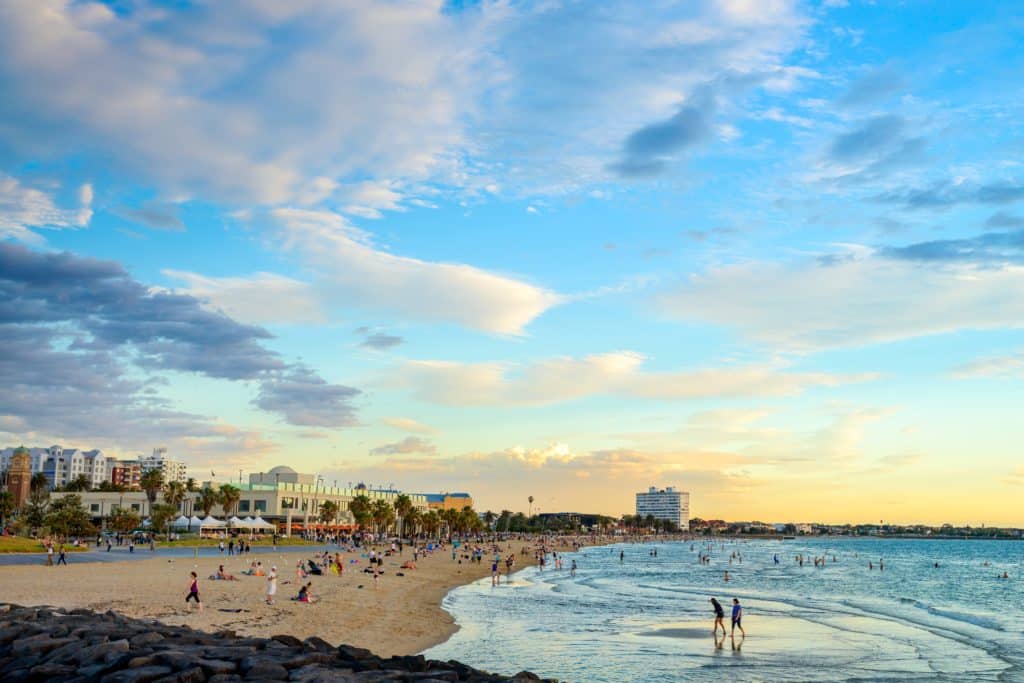
Stand on the shoreline to frame the final approach of tandem skydivers as they touch down on the sand. It is a prime location to observe the canopy flare during your sky diving in melbourne st kilda tours.
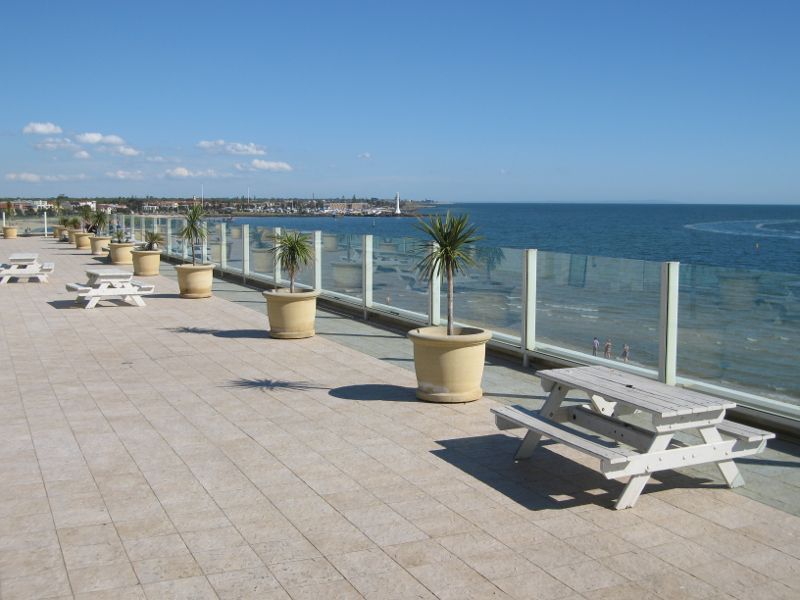
Capture the action from the elevated outdoor areas, providing a unique vantage point to photograph the jump zone from above. This perspective highlights the scale of the drop zone and the urban landscape of the Melbourne sky diving in melbourne st kilda tour environment.
Planning a visit for sky diving in melbourne st kilda requires careful coordination, as the site primarily facilitates tandem jumps for adults and older teenagers. Watching the aircraft take off and observing landings from the designated viewing area can be an exciting activity for families interested in aviation.
The facility at 42A Marine Parade is accessible for standard strollers, providing a smooth path for families moving from the arrival area to the jump zone
While spectators of all ages are welcome, the minimum age for participation in sky diving in melbourne st kilda tours is strictly regulated by weight and physical requirements
Parents will find basic amenities on-site, though dedicated family rooms for infants are not available at this airfield location
To ensure a smooth experience, the best arrival window is 08:00–12:00, when clear weather and lighter winds are expected for those with sky diving in melbourne st kilda tickets
For specific inquiries about booking a sky diving in melbourne st kilda tour, families can call 1300 663 634 or visit https://www.skydive.com.au to check live availability.
Refueling after sky diving in melbourne st kilda is easy, as the vibrant St Kilda foreshore offers numerous cafes and restaurants just a short stroll from the landing zone. While there are no dining facilities directly on-site at 42A Marine Parade, the surrounding streets provide diverse options for those completing their parachute descent.
Located right on the beach, this venue is ideal for a post-jump meal with outdoor seating and a relaxed atmosphere. It offers a broad menu ranging from burgers to fresh seafood to help you recover after your sky diving in melbourne st kilda tour.;Mr. Wolf
Everything you need to know for your journey
The facility is open daily from 08:00 to 20:00. This applies to all days of the week.
There is 0 AUD entrance fee; tandem skydiving requires booking a paid jump package. Entry to the observation area is free.
The best arrival window is 08:00–12:00. Clearer weather and lighter winds typically occur in the morning for optimal jump conditions.
Personal cameras are not permitted during the jump for safety. You can purchase professional media packages from the operator.
Yes, all participants in sky diving in melbourne st kilda must be at least 16 years of age.
Public parking is available along Marine Parade near the facility. Ensure you check local signage for parking rules.
Yes, changes may be made per the booking policy. Contact the operator directly to manage your sky diving in melbourne st kilda tickets.
Yes, family members are welcome to watch from the designated viewing area. Ensure children are supervised at all times.
Wear comfortable, athletic clothing and enclosed shoes. Avoid loose items or jewelry that could interfere with the harness.
The facility at 42A Marine Parade is accessible for spectators. Please advise the operator of any specific needs when booking.
Walk along the pier for views of the skyline and local penguins. This is a popular spot for sunset viewing.
Located directly across from the beach and skydiving drop zone.
Features easy access to Acland Street dining and transit.
Various backpacker hostels and boutique stays near the beach.
Join thousands of happy travelers who have discovered this incredible experience
Book Your Experience Now